

The State of Canada’s Birds 2019 report draws on almost 50 years of data to describe the changing health of Canada’s bird populations. This collaborative report was produced by the North American Bird Conservation Initiative (NABCI-Canada), under the leadership of Environment and Climate Change Canada, Bird Studies Canada, Ducks Unlimited Canada, and Nature Canada.
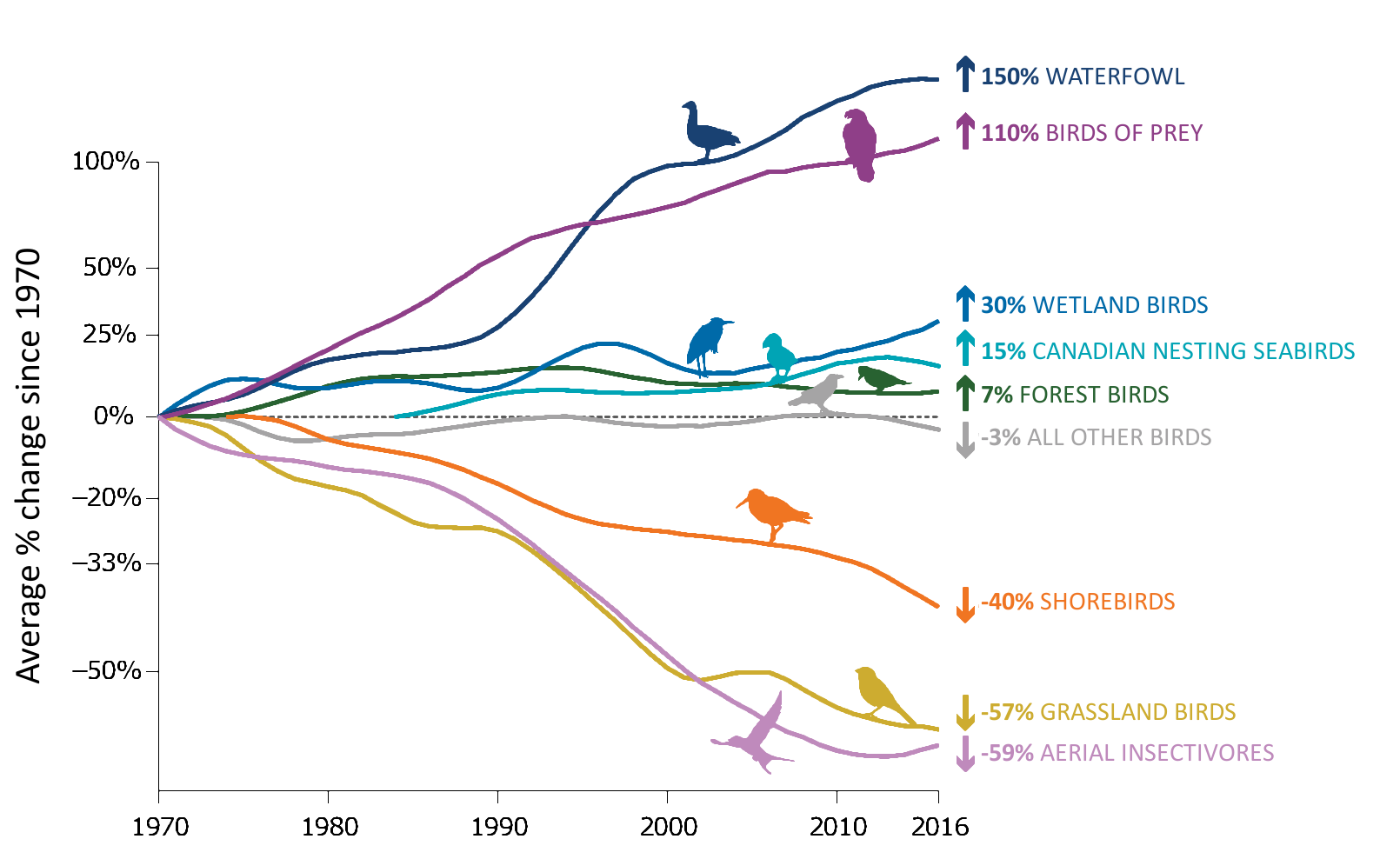
Populations of shorebirds, grassland birds, and aerial insectivores have rapidly declined, while waterfowl and birds of prey populations have recovered from historical lows. These results represent both a call for conservation action and a testament to what we can achieve when we work together. Each of us can make the transformative changes outlined in this report to ensure a healthier Canada for both birds and people.
READ THE FULL REPORT HERE!
For questions on the report, please contact:
Environment and Climate Change Canada
Media Relations
819-938-3338 or 1-844-836-7799 (toll-free)
ec.media.ec@canada.ca
Bird Studies Canada
Ruth Friendship-Keller
Director of Communications
519-586-3531, ext. 111, or 1-888-448-2473 (toll-free)
rfriendshipkeller@birdscanada.org
Nature Canada
Haley Ritchie
Digital Communications
613-562-3447, ext. 252
hritchie@naturecanada.ca
Ducks Unlimited Canada
Jennifer Sanford
National Communications and Marketing
236-990-4996
j_sanford@ducks.ca
Media
News Release
Supplementary Data (updated: June 20, 2019 at 4:50 PM)
Supplementary Methods
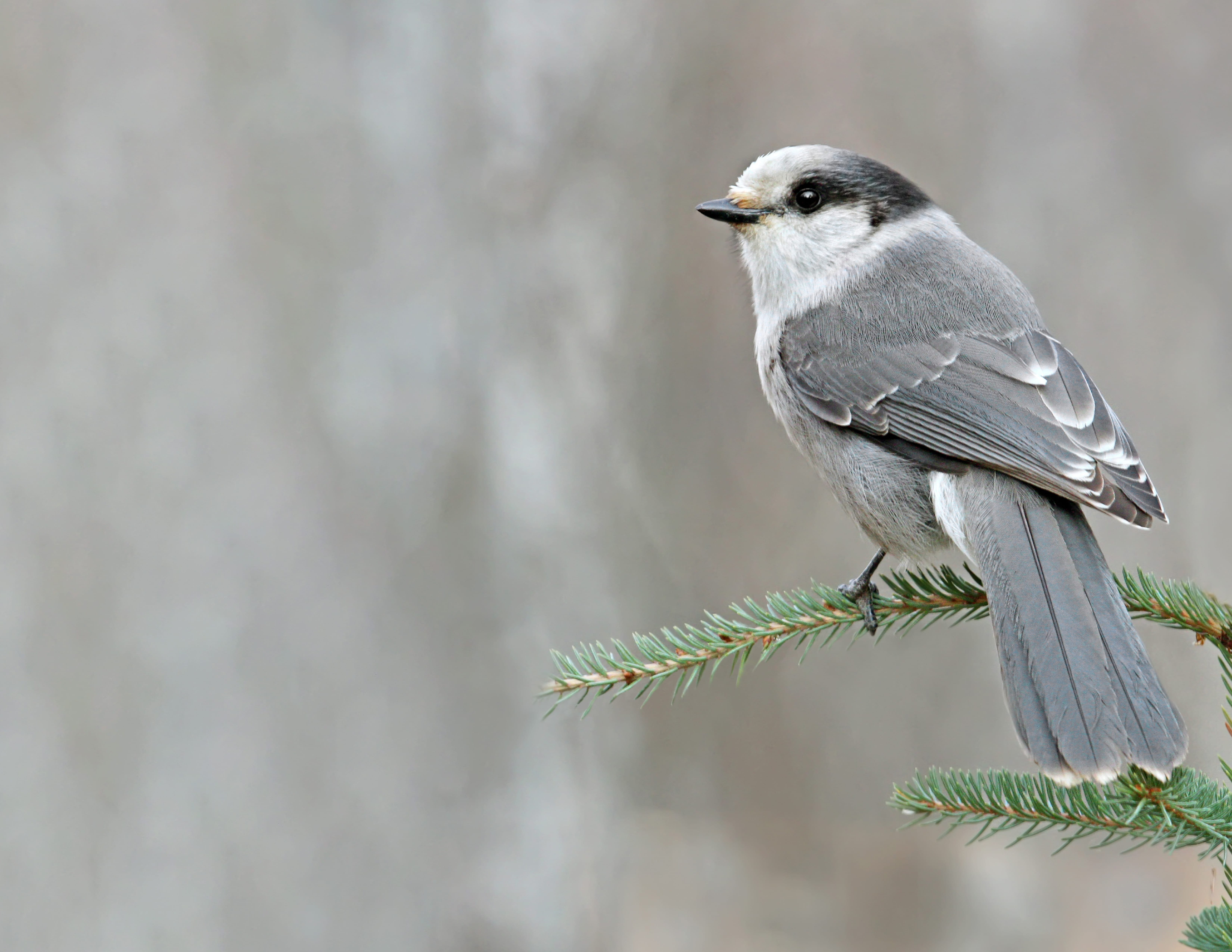
 Canada Jay by Nick Saunders
 Canada Geese by Brittany Killingbeck
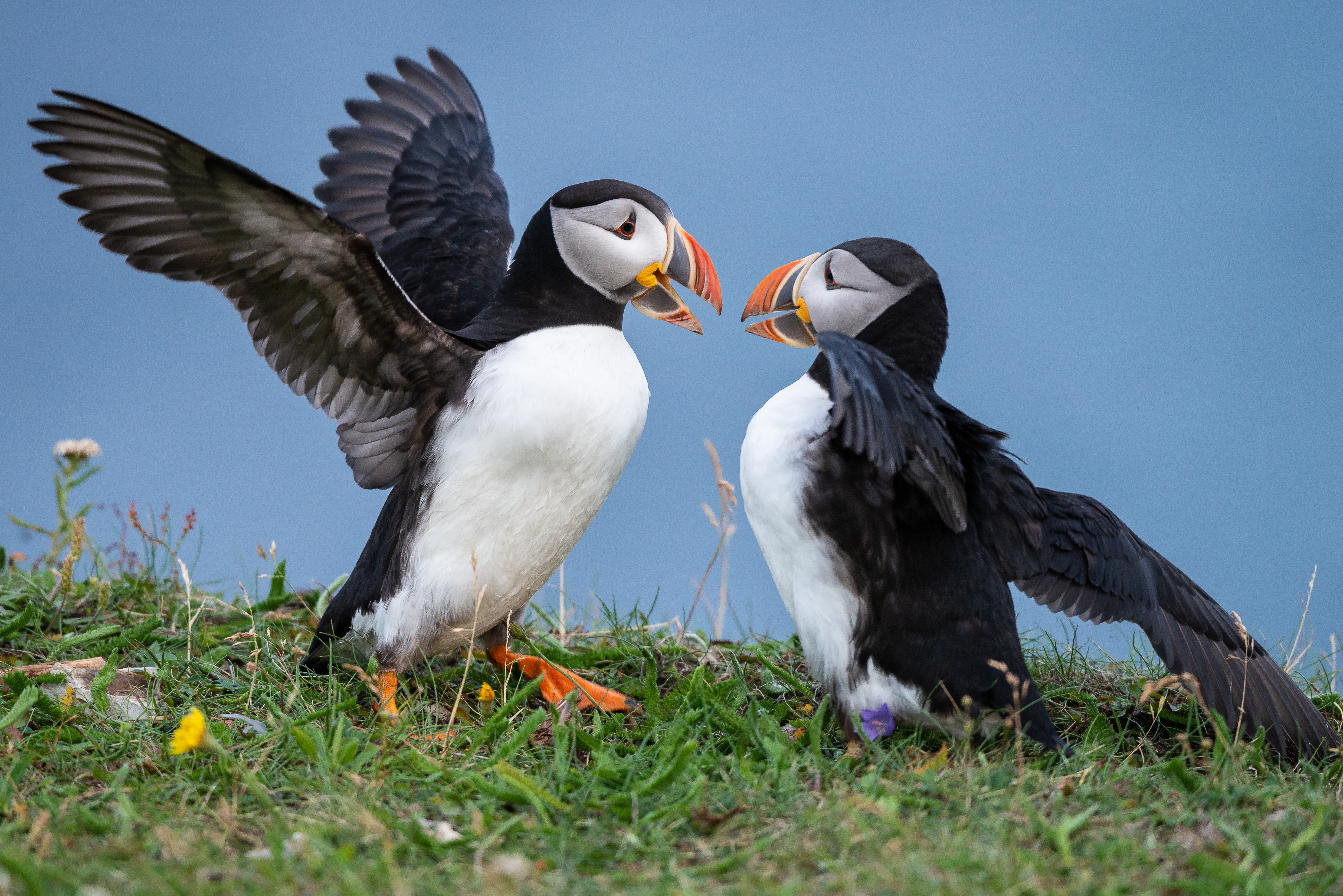 Atlantic Puffins by Glen Springer
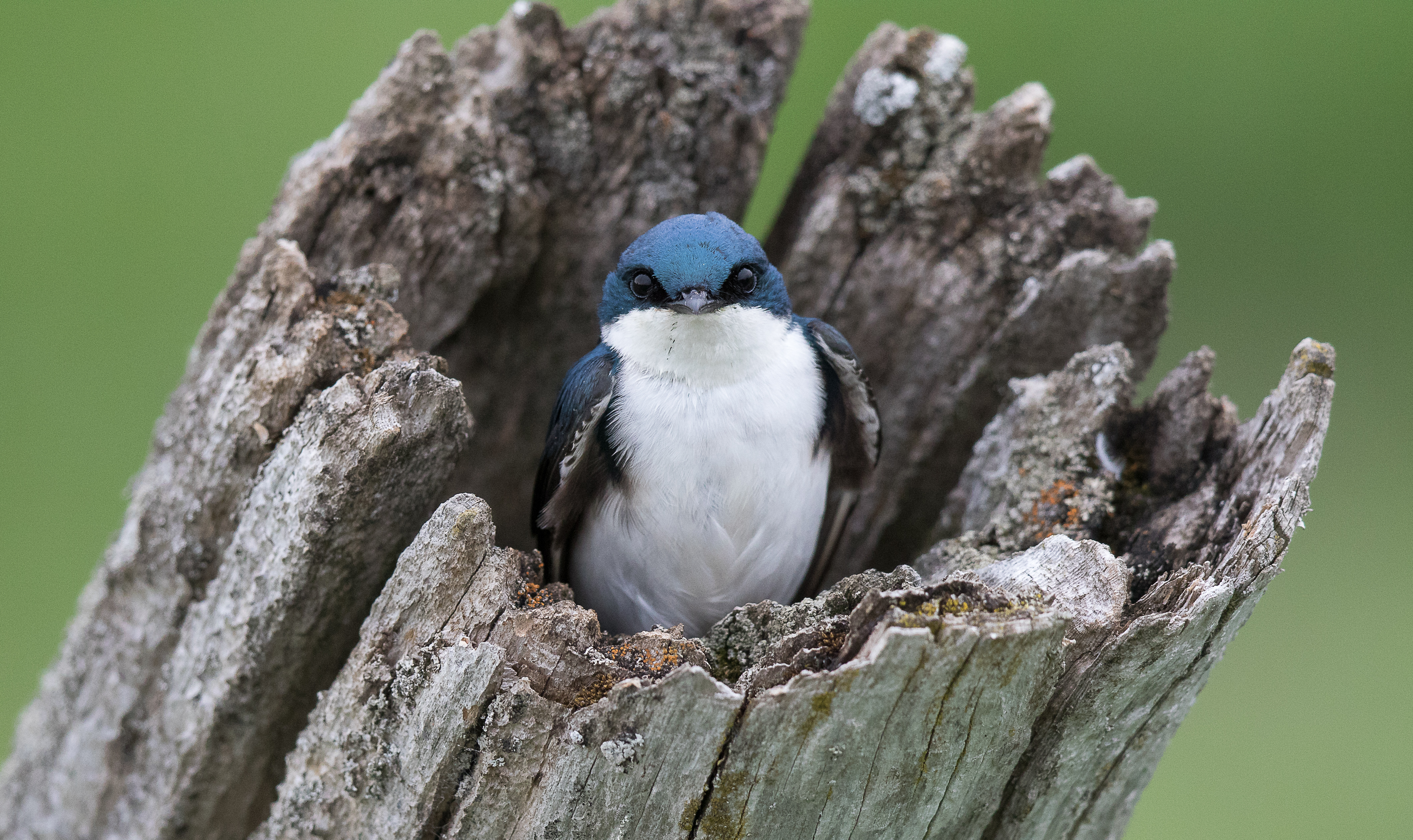 Tree Swallow by Jacques Bouvier
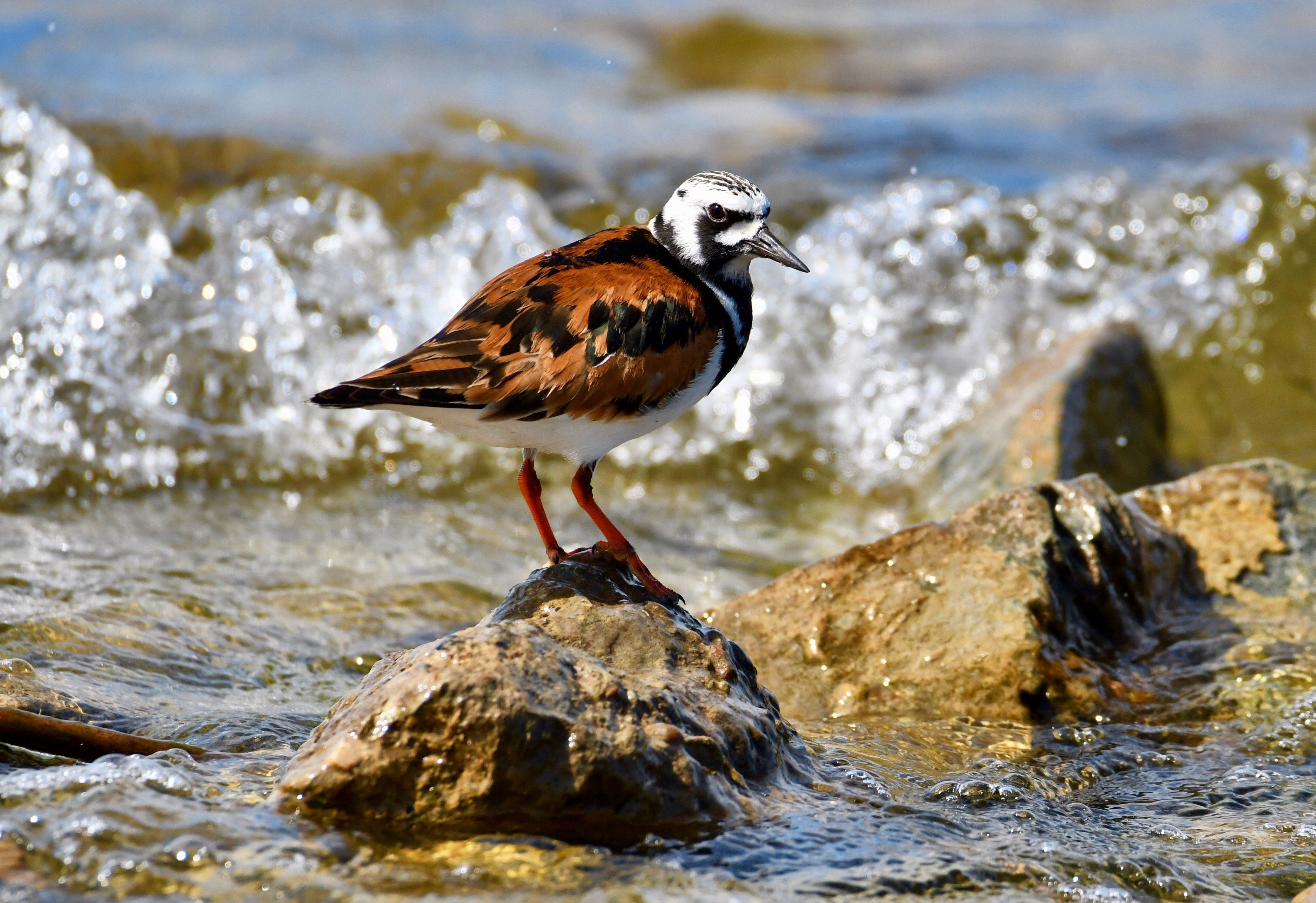 Ruddy Turnstone by Melanie Palik
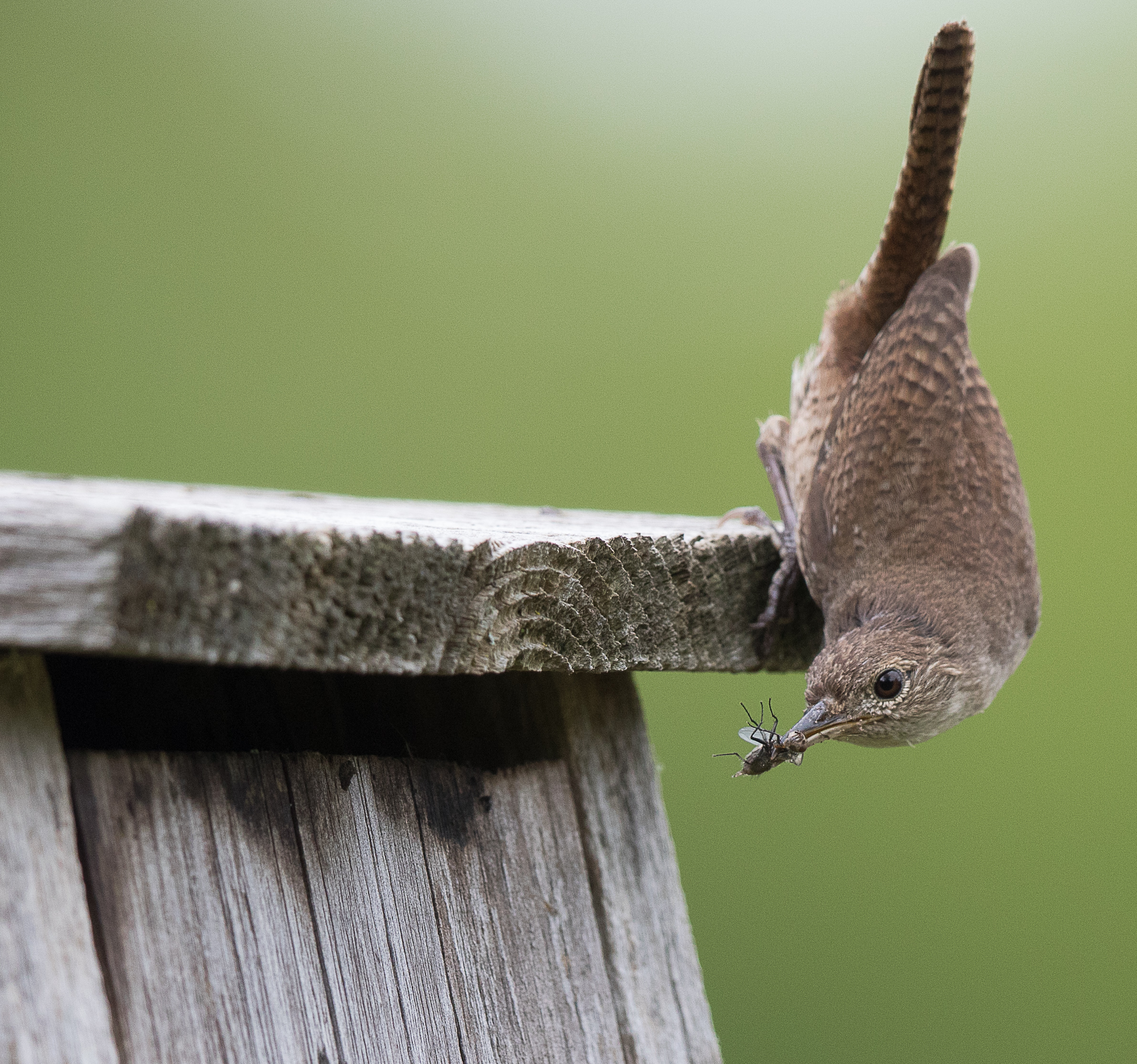 House Wren by Jacques Bouvier